Why Strength Training Is One of the Best Investments You Can Make in Your Future 💪
Aug 15, 2026
by Gregg Piper
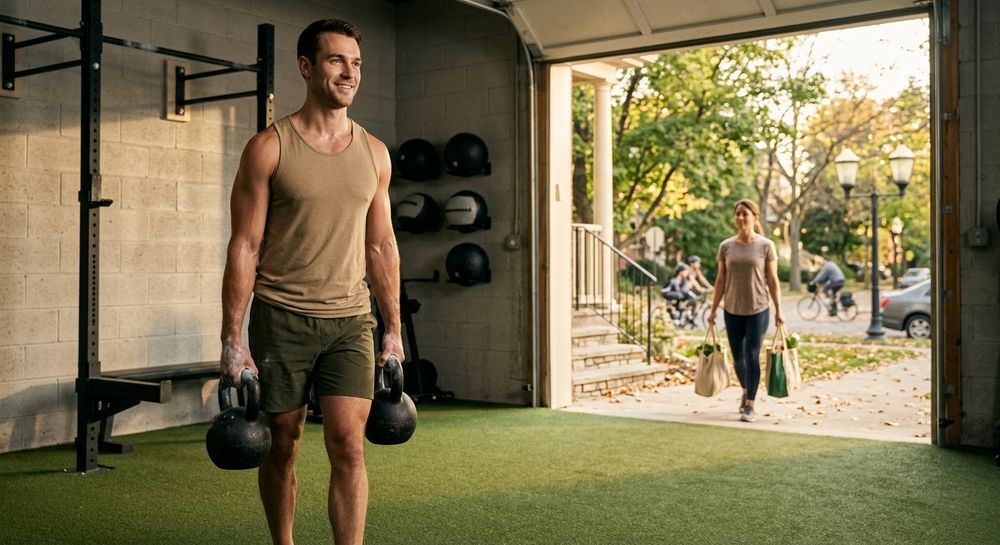
When people think about strength training, they often picture bigger muscles or heavier weights.
But getting stronger has a much bigger purpose.
Strength helps you move confidently, stay active, perform everyday tasks more easily, and maintain your independence as you get older.
You might start training because you want to look better.
But one of the biggest rewards is building a body that continues working for you for years to come.
That is why V3 Fit Club Strength Training is not simply about lifting more weight. It is about becoming stronger for life.
Strength Makes Everyday Life Easier 🏋️
Think about the physical demands of an average day.
Carrying groceries.
Picking something up from the floor.
Climbing stairs.
Moving furniture.
Playing with your kids or grandchildren.
Traveling with luggage.
All of these activities require strength.
A well-designed strength program trains movement patterns that transfer into everyday life.
Instead of exercising only to burn calories, you are developing physical capabilities you can actually use.
Muscle Becomes More Important as You Age
Maintaining muscle becomes increasingly important as we get older.
Without regular resistance training, adults can gradually lose strength and muscle over time.
The good news is that strength training gives your body a reason to maintain and build muscle.
You do not need to become a competitive lifter.
You simply need consistent resistance training that matches your current ability.
Through Personal Training at V3 Fit Club, exercises can be adjusted to your experience, mobility, strength, and goals.
Strength Training Can Improve Confidence
There is something powerful about realizing your body can do more than it could a few months ago.
Maybe your first goal is completing a proper squat.
Then you add weight.
Later, you realize carrying groceries or climbing stairs feels easier.
These victories build confidence because progress becomes tangible.
The number on the scale might fluctuate, but becoming stronger gives you another meaningful way to measure success.
Functional Strength Goes Beyond the Gym 🚶
Fitness should improve your life outside the gym.
That is where functional training becomes valuable.
Functional exercises often involve movements such as:
- Squatting
- Pushing
- Pulling
- Carrying
- Lifting
- Rotating
These patterns help prepare your body for the movements you encounter every day.
Inside V3 Fit Club Functional Fitness Programs, strength and movement are developed together so members can become more capable rather than simply more exhausted.
You Do Not Need to Lift Extremely Heavy
One common misconception is that strength training means lifting the heaviest weights possible.
It does not.
The right amount of resistance depends on the person.
A beginner may start with bodyweight exercises or light dumbbells.
Someone with more experience may use heavier resistance.
Both can make progress.
What matters is gradually challenging your body while maintaining good technique.
This concept is called progressive overload, and it is one of the foundations of effective strength training.
Strength Training Supports Other Fitness Goals 🔥
Getting stronger can complement many other goals.
It can help support:
- Better body composition
- Improved athletic performance
- Greater movement confidence
- Better balance and stability
- More productive workouts
- A more active lifestyle
This is why strength training should not be treated as something reserved for athletes or experienced gym members.
It can become the foundation that makes many other activities easier.
Consistency Beats Intensity
You do not need seven workouts every week to become stronger.
For many adults, two to four quality strength sessions per week can create meaningful progress when combined with good recovery and nutrition.
The key is consistency.
One extremely hard week followed by three weeks of inactivity will rarely outperform a realistic routine you can maintain throughout the year.
That is why V3 Fit Club Coaching Programs focus on building sustainable training habits.
The goal is not to survive your workouts.
The goal is to keep progressing.
What If You Have Never Strength Trained Before?
You are not behind.
And you do not need to get fit before starting.
A beginner-friendly strength program should meet you at your current level.
A coach can help you learn movement patterns, choose appropriate resistance, understand equipment, and gradually increase difficulty.
Starting slowly often produces better long-term results than jumping immediately into advanced workouts.
A Simple Long-Term Strength Strategy
If you want strength training to become part of your lifestyle, keep the approach simple.
Train each week consistently.
Focus on good movement quality.
Gradually increase resistance.
Prioritize full-body exercises.
Give your body time to recover.
Track improvements beyond body weight.
Ask for coaching when you are unsure.
You do not need complicated workouts.
You need a good plan repeated consistently.
Stop Training Only for Today
One of the best mindset shifts you can make is asking:
"What do I want my body to be capable of ten or twenty years from now?"
Maybe you want to keep hiking.
Travel without physical limitations.
Play sports.
Keep up with your family.
Continue doing the activities you love.
Your workouts today can help build that future.
That makes strength training more than exercise.
It becomes an investment in what you want your life to look like later.
FAQ
Am I too old to start strength training?
No. Strength training can be adapted to different ages and fitness levels. Beginners should focus on proper technique and appropriate progression.
How often should adults strength train?
Many adults can make progress with two to four structured strength sessions each week depending on their goals, experience, and recovery.
Do I need to lift heavy weights?
Not necessarily. Resistance should be challenging enough to encourage adaptation while allowing you to maintain proper technique.
Can beginners do functional strength training?
Absolutely. Functional exercises can be modified to match your current strength, mobility, and experience.
How quickly will I become stronger?
Beginners often notice improvements relatively quickly, but meaningful long-term results come from consistent training over months and years.
Final Thoughts 🚀
Strength training is not only about what you can lift today.
It is about what you want to continue doing tomorrow.
Building strength can help you become more capable, confident, and prepared for the physical demands of everyday life.
Start where you are.
Progress gradually.
Stay consistent.
If you want guidance along the way, explore V3 Fit Club Programs to discover how structured training and professional coaching can help you build strength that lasts.