How to Get Back Into Strength Training After a Long Break
Nov 1, 2026
by Gregg Piper
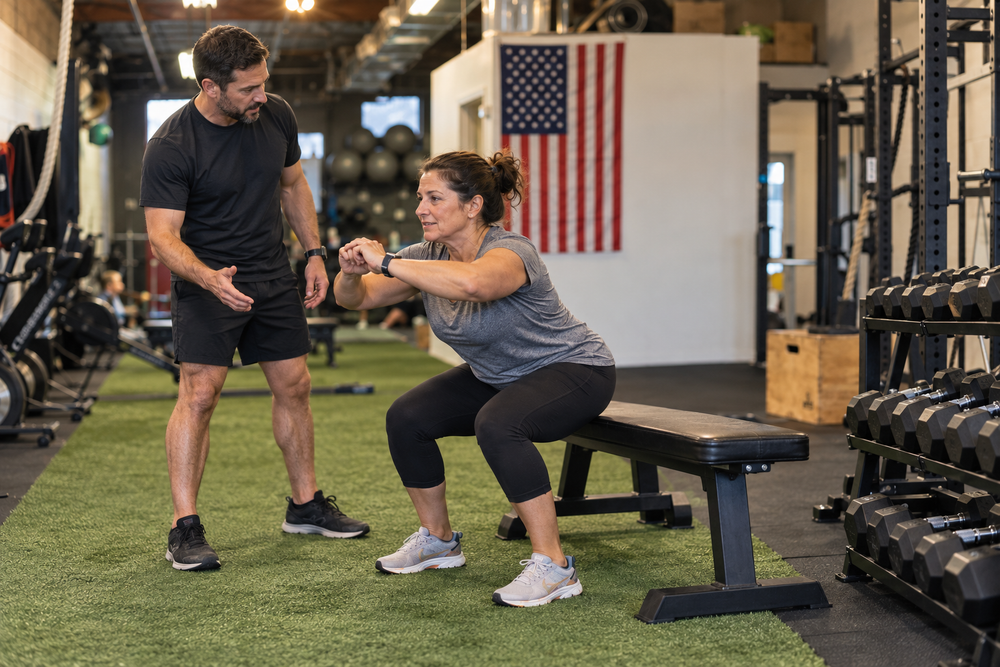
Maybe you used to work out three or four times a week. Then work got busy, family responsibilities increased, or life simply changed.
A few missed workouts became a few months away from the gym.
Now you are ready to return, but something feels different.
The weights you once lifted seem intimidating. Your endurance may not be what it used to be. And you might wonder whether you should pick up exactly where you left off.
The best way to get back into strength training after a long break is to start below your previous training level, rebuild consistency, and increase the challenge gradually.
You do not need to recreate your strongest workout on your first day back.
You need a starting point that prepares you for the next several weeks.
Why Returning to Exercise Feels Different
When you stop strength training for an extended period, your body is no longer receiving the same regular training stimulus.
Depending on how long you have been inactive, your previous fitness level, and what activities you continued doing, you may notice changes in strength, endurance, coordination, and exercise tolerance.
That does not mean you have lost everything you previously achieved.
It means your current ability deserves more attention than your old workout records.
According to the Physical Activity Guidelines for Americans, increasing activity too abruptly can create unnecessary physical stress. The guidelines recommend gradually increasing activity and allowing time for adaptation.
Your goal is to create a manageable challenge, not to prove that you can still complete your old routine.
Step 1: Stop Comparing Yourself to Your Previous Fitness Level 💪
One of the biggest obstacles to returning is the expectation that you should perform exactly as you did before.
Imagine that you previously used 40-pound dumbbells for an exercise.
After several months away, those same weights might feel considerably harder.
That is useful information, not a reason to become frustrated.
Your previous performance can provide context, but it should not dictate your starting resistance.
Instead, ask yourself:
-
Can I complete the movement with control?
-
Does the resistance feel appropriate?
-
Can I maintain good technique throughout the set?
-
Am I comfortable repeating this type of workout later in the week?
If the answer is no, adjust the exercise.
A lighter dumbbell, shorter range of motion, different variation, or fewer repetitions may be more appropriate.
Step 2: Relearn the Basic Movement Patterns
Before worrying about complicated workouts, rebuild confidence with common strength movements.
These include:
Squatting: Sitting down and standing up, or performing an appropriate squat variation.
Hinging: Learning to move through the hips during exercises such as a deadlift variation.
Pushing: Using movements such as a wall push-up or dumbbell press.
Pulling: Performing an appropriate row or other pulling exercise.
Carrying: Holding manageable weights while walking with control.
You do not need to master every variation immediately.
Focus on exercises you can perform comfortably, with resistance and movement ranges suited to your current abilities.
At V3 Fit Club, One-on-One Personal Training includes individualized workout planning, technique guidance, and progress tracking.
That level of personalization may be useful if you have forgotten how certain exercises work or feel uncomfortable returning independently.
Step 3: Use a Four-Week Return Plan 📅
The following is a hypothetical example for a generally healthy adult returning after several months away.
It is not a required V3 Fit Club program or a medical prescription.
| Week | Strength training | Other activity | Main priority |
|---|---|---|---|
| 1 | One or two manageable sessions | Comfortable walks | Reintroduce movement |
| 2 | Up to two sessions, if well tolerated | Continue regular walking | Practice technique |
| 3 | Two sessions, adjusted to recovery | Gradually build aerobic activity | Develop consistency |
| 4 | Maintain two sessions or progress cautiously | Continue enjoyable activity | Review readiness to progress |
Week 1: Find Your Starting Point
Choose manageable exercises and avoid training to complete exhaustion.
You might begin with a short warm-up followed by a few basic strength movements.
Use light resistance or bodyweight variations when appropriate.
The goal is to finish with enough energy to return for another session.
Week 2: Build Familiarity
If the first week felt manageable, repeat the basic movements.
Pay attention to exercise technique, soreness, and how you feel between sessions.
You do not need to increase every weight.
Practicing movements consistently is valuable.
Week 3: Establish a Routine
Continue building toward two strength sessions per week if your body is tolerating the activity.
You may be ready to add a small amount of resistance, an additional repetition, or a little more activity.
Choose one manageable change rather than increasing everything simultaneously.
Week 4: Review and Adjust
Ask yourself whether you are moving more confidently, completing sessions consistently, and recovering comfortably.
If you are, your next training phase may include gradual progression.
If not, continue with a manageable routine while addressing the factors making training difficult.
Four weeks is a planning example, not a deadline. Some people need more time to rebuild activity, particularly after extended inactivity or when managing health limitations.
Step 4: Know How Hard Your Workouts Should Feel
You do not need to train to failure to restart strength training.
A practical approach is to select resistance that feels manageable and allows you to complete each repetition with control.
For example, if your workout calls for eight repetitions, you might initially choose a weight that would allow you to perform a few additional repetitions with good technique.
This is an example of leaving some effort in reserve.
It can help prevent your first few sessions from becoming unnecessarily demanding.
However, perceived effort is only one consideration. Exercise selection, previous experience, health, and movement quality also matter.
The National Institute of Diabetes and Digestive and Kidney Diseases recommends starting slowly and increasing activity gradually.
Step 5: Understand the Difference Between Soreness and Warning Signs
Some muscle soreness may occur when you return to unfamiliar activity.
But soreness is not a requirement for progress.
You should not deliberately make every workout harder just to feel sore afterward.
If soreness significantly interferes with normal activities or your next planned workout, the session may have been too demanding for your current level.
The NIDDK guidance on staying active advises people who experience pain or feel unwell during activity to reduce their effort and build gradually.
Sharp pain, significant joint pain, dizziness, chest discomfort, or unusual breathlessness should not be treated as normal workout challenges. Stop the activity and seek appropriate medical advice. Chest pain, severe breathing difficulty, or other emergency symptoms require urgent medical attention.
Step 6: Choose a Training Environment That Helps You Return
Returning to exercise is not just a physical decision.
You also need an environment where you feel comfortable asking questions and adjusting your workouts.
At V3 Fit Club in Highland Park, two verified options are particularly relevant.
One-on-One Personal Training
V3’s One-on-One Personal Training offers individualized sessions with a coach.
The program includes customized training, technique feedback, progress assessments, and lifestyle support.
This may be appropriate if you want substantial individual attention while rebuilding your routine.
Semi Private Personal Training
V3’s Semi Private Personal Training involves two to four people training in a small group while following their own individualized plans.
According to V3, the program includes customized intensity, coaching feedback, progress tracking, and accountability.
That can be appealing if you want personalized training but enjoy having other people around you.
Neither format automatically guarantees better results.
The important question is which environment gives you the support and appropriate training progression you need.
Step 7: Rebuild the Habits Around Your Workouts 🌱
Getting back into fitness is easier when your routine works outside the gym.
Consider these practical habits:
Schedule your sessions. Choose specific days rather than waiting until you feel motivated.
Prepare your equipment. Having your clothes and shoes ready removes one small obstacle.
Make walking part of your day. Comfortable walking can help you become more active without requiring another formal gym session.
Prioritize sleep. Avoid creating a demanding exercise schedule at the expense of adequate rest.
Eat regularly and adequately. Support your activity with a balanced eating pattern rather than immediately starting an extreme diet.
Keep your expectations realistic. One manageable week is more useful than an ambitious plan you abandon after a few days.
The CDC's guidance on getting started with physical activity recommends setting aside specific times, choosing enjoyable activities, and starting slowly.
A Simple Return to Strength Training Checklist
Before your next workout, check the following:
I have considered my current fitness level rather than my previous best.
I have selected manageable exercises and resistance.
I know how to adjust an exercise if necessary.
I have allowed time between demanding sessions.
My training schedule fits my actual week.
I am not using soreness as my measure of success.
I know when to ask a coach or healthcare professional for guidance.
You do not need a perfect plan.
You need a sensible starting point and a way to adjust as you improve.
Frequently Asked Questions
How long does it take to regain strength after a break?
There is no universal timeline. It depends on your previous training experience, length of inactivity, current health, consistency, and training program. Focus on gradual progress rather than expecting a particular result by a fixed date.
Should I use the same weights I lifted before?
Not automatically. Start with resistance appropriate to your current ability and technique. Your previous weights can provide a reference, but they should not determine your first workout.
Is two days of strength training enough when returning?
For many adults, two manageable sessions can be a useful starting structure. The CDC recommends muscle strengthening activities on at least two days each week for general health, but someone returning after prolonged inactivity may need to build toward that gradually.
Should I do cardio while rebuilding strength?
Aerobic activity can be part of your routine. Walking is often an accessible option, and you can gradually increase activity according to your abilities and health.
What if I stopped exercising because of an injury?
Returning after injury is different from returning after a busy season. Seek guidance from the appropriate healthcare professional before resuming activities that may affect your recovery. V3 also identifies medical clearance as important for people returning from injury.
Your Comeback Does Not Have to Be Dramatic
You do not need an intense transformation challenge to return to fitness.
You need to start with what you can do today.
Choose manageable exercises. Practice them consistently. Give yourself time to recover. Increase the challenge when you are ready.
And remember that the goal is not to recreate your old fitness routine immediately.
It is to build a new routine that works for your life now.
If you are returning to strength training in Highland Park and want personalized guidance, explore V3 Fit Club's Semi-Private Personal Training to learn how individualized programming and coaching can support your return.
