Strength Training After 50: How to Build Strength, Balance, and Confidence
Nov 15, 2026
by Gregg Piper
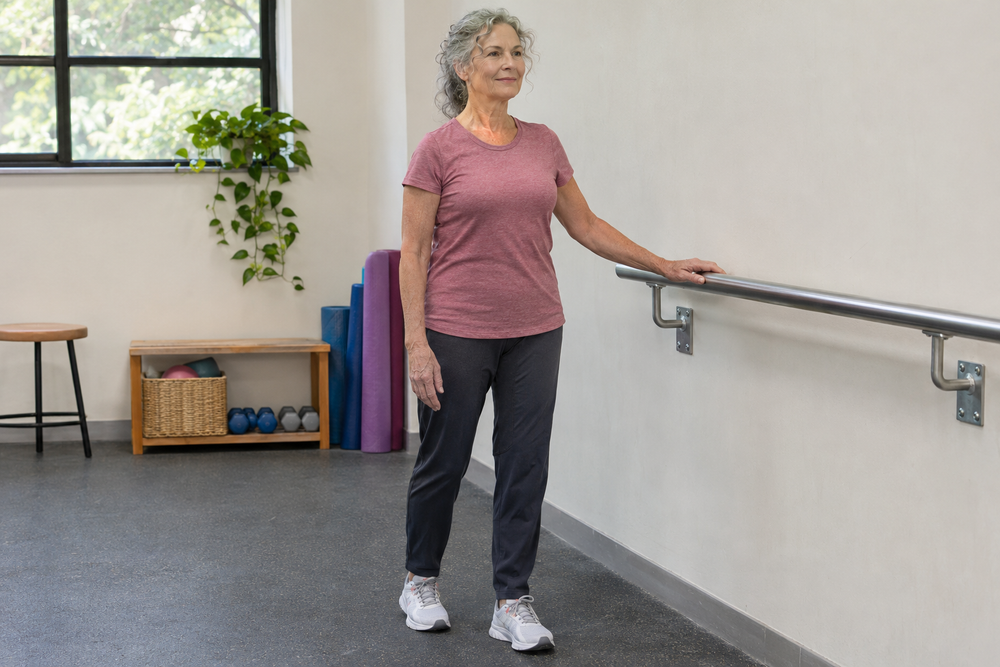
Maybe you have noticed that getting up from the floor takes more effort than it used to. Carrying heavy groceries feels different, or you simply want to feel stronger during your everyday activities.
You might also be wondering whether strength training is still appropriate for you.
The answer is yes. Strength training after 50 can help you build or maintain strength, improve physical function, and stay capable of doing the activities you enjoy.
You do not need to be an experienced lifter. You also do not need an intense workout routine.
What matters is choosing appropriate exercises, using manageable resistance, and progressing according to your current abilities.
Why Strength Training Matters After 50
Strength training is not only about building visible muscle.
It is about maintaining the physical capabilities that make everyday life easier.
Think about activities such as:
-
Carrying groceries into your home
-
Getting up from a chair
-
Climbing stairs
-
Lifting luggage
-
Gardening
-
Playing with your grandchildren
-
Enjoying recreational sports or outdoor activities
These tasks involve muscular strength, coordination, and movement control.
The National Institute on Aging explains that muscle strengthening activities can improve physical function and help older adults maintain independence.
While that guidance focuses particularly on older adults, developing strength is valuable before age 65, too.
You do not have to wait until everyday movements become difficult before making strength training part of your routine.
You Do Not Need to Train Like a Bodybuilder 💪
One common misconception is that strength training requires lifting extremely heavy weights or following advanced bodybuilding routines.
It does not.
Resistance training simply means challenging your muscles against some form of resistance.
Depending on your experience and ability, that resistance might come from:
-
Your own body weight
-
Dumbbells
-
Resistance bands
-
Kettlebells
-
Weight machines
-
Other appropriate strength equipment
The resistance should match your current abilities while providing enough challenge to encourage improvement.
For someone beginning at 55, a controlled squat to a sturdy bench may be appropriate.
Another person of the same age might already be comfortable performing barbell squats.
Neither person should choose their exercises based on age alone.
Your training experience, movement ability, goals, and health are more useful considerations.
Five Movement Patterns Worth Developing
Rather than choosing exercises randomly, consider the movements you want to perform confidently in everyday life.
1. Squatting
Squatting involves bending through your hips and knees to lower and raise your body.
It relates to everyday activities such as sitting down and standing up.
A coach might choose a supported squat variation or a squat to a stable bench when appropriate.
2. Hinging
Hinging involves bending primarily through your hips.
This movement pattern appears in activities such as picking an object up from the floor.
Appropriate strength exercises may include different deadlift variations.
3. Pushing
Pushing movements strengthen muscles involved in activities such as pushing open a heavy door.
Examples may include wall push-ups or appropriate chest press variations.
4. Pulling
Pulling movements involve muscles of the back and arms.
They can be trained using resistance bands, dumbbells, or cable equipment.
5. Carrying
Carrying exercises involve holding an appropriate load while maintaining control.
They resemble everyday tasks such as carrying shopping bags or luggage.
These movement patterns are useful categories, not a complete exercise prescription.
The right variation depends on the person.
Why Balance Deserves Attention, Too ⚖️
Strength and balance are related, but they are not identical.
Strength helps your muscles produce force.
Balance involves maintaining stability while standing or moving.
The CDC recommends that adults 65 and older include balance activities alongside aerobic and muscle strengthening exercise.
That recommendation does not mean balance only matters after 65.
Practicing appropriate balance activities earlier can help you become more familiar with maintaining control during everyday movements.
Examples include supported weight shifts, controlled standing movements, and carefully selected balance exercises.
However, balance training should match your abilities.
If you are unsteady, have experienced falls, or have a condition affecting balance, seek appropriate professional guidance.
Do not attempt challenging balance exercises without suitable support.
A Practical Strength Training Starting Point
If you are generally healthy and new to resistance training, you do not need a complicated plan.
The following is a hypothetical example of how a coach might organize a basic full-body session.
It is not an official V3 Fit Club workout or a prescription for everyone.
| Movement | Example exercise | Possible adjustment |
|---|---|---|
| Squat | Squat toward a stable bench | Adjust depth or use support |
| Hinge | Light dumbbell deadlift | Use a lighter load or shorter range |
| Push | Wall pushup | Adjust hand position |
| Pull | Resistance band row | Adjust band resistance |
| Carry | Light dumbbell carry | Reduce weight or distance |
A beginner might practice a manageable number of repetitions for each movement, with sufficient rest between sets.
The CDC's guidance on muscle strengthening provides examples of resistance activities and explains that muscle strengthening should address the major muscle groups.
The goal is controlled, appropriate effort, not exhaustion.
A qualified coach can help determine the right resistance, number of repetitions, and exercise variations for you.
How Often Should You Strength Train After 50?
For general health, the CDC recommends that adults perform muscle-strengthening activities involving all major muscle groups on at least two days each week.
That recommendation also applies to adults in their 50s.
For adults 65 and older, the CDC additionally emphasizes regular balance activity.
If you have not been active recently, begin with an amount you can tolerate and build toward the recommendations gradually.
A realistic routine might include two strength sessions on nonconsecutive days, with walking or other enjoyable activity during the rest of the week.
You do not need to perform a formal gym workout every day.
How to Know When to Increase the Challenge 📈
Progressive resistance training involves gradually adjusting the challenge as your abilities improve.
That does not mean adding weight during every workout.
Progress can take several forms:
-
Performing a movement with better control
-
Completing additional repetitions
-
Increasing resistance modestly
-
Improving your comfortable range of motion
-
Performing an exercise more confidently
For example, someone might begin with a bodyweight squat toward a stable bench.
Over time, a coach may determine that the person is ready to use additional resistance or a different variation.
The important part is that progression is based on readiness, not an arbitrary deadline.
If your technique becomes inconsistent or you experience unusual discomfort, the challenge may need adjustment.
Common Mistakes to Avoid
Starting Too Aggressively
Your first workout does not need to match what you could do ten years ago.
Choose a manageable starting point and progress gradually.
Ignoring Technique
Lifting more weight is not always better if you cannot control the movement.
Technique, resistance, and exercise selection should work together.
Skipping Recovery
Muscles need time to recover from challenging resistance exercise.
Plan your training schedule so you are not repeatedly overloading the same muscle groups without adequate recovery.
Assuming All Discomfort Is Normal
Some temporary muscle soreness can occur after unfamiliar exercise.
Sharp pain, significant joint discomfort, dizziness, or unusual symptoms should not be ignored.
Stop the activity and seek appropriate medical guidance when needed.
Choosing Exercises Based Only on Age
Two people who are both 55 may have very different training histories and abilities.
A useful program considers the individual rather than relying on age-based assumptions.
How Personal Training Can Help
Some people feel comfortable learning exercises independently.
Others prefer having someone assess their current abilities, explain movement patterns, and adjust their program.
At V3 Fit Club in Highland Park, one-on-one personal training includes individualized workout planning, technique feedback, progress tracking, and lifestyle support.
V3 also offers Semi-Private Personal Training.
According to its current service page, semi-private sessions involve two to four people, with each member following an individualized workout plan.
This may be useful for adults who want personal attention while enjoying a small group environment.
Neither service is exclusively for adults over 50, and V3 does not advertise a separate age-specific strength program on the pages reviewed.
Instead, its individualized coaching structure is relevant because people can have different starting points, goals, and training needs.
Questions to Ask Before Starting
Whether you choose V3 Fit Club or another training environment, ask these questions before beginning:
-
How will my current strength and movement abilities be considered?
-
What exercises would be appropriate for my experience?
-
How will resistance and difficulty progress?
-
What should I do if an exercise feels uncomfortable?
-
How will we measure improvements?
-
How much recovery time should I allow?
-
Can the program accommodate guidance from my healthcare professional if needed?
A good conversation should leave you with a clearer understanding of what your training will involve.
When Medical Guidance Is Important
Strength training is appropriate for many adults, but not every exercise is suitable for every person.
If you have a significant medical condition, recent surgery, a new injury, unexplained pain, or a history of falls, speak with the appropriate healthcare professional before beginning or changing your program.
A physician or physical therapist may need to provide specific recommendations or restrictions.
Fitness coaching can then help you apply suitable exercise guidance within the coach's professional scope.
Frequently Asked Questions
Is 50 too old to start lifting weights?
No. Adults can begin resistance training at different ages. The appropriate starting point depends on current health, abilities, and experience rather than age alone.
Do I need heavy weights to get stronger?
Not necessarily. Bodyweight exercises, resistance bands, and lighter weights can provide an appropriate challenge, particularly for beginners.
Can strength training improve balance?
Strengthening muscles involved in posture and movement can support physical function, but dedicated balance practice may also be important. Adults 65 and older are specifically advised to include balance activities.
How quickly will I see improvements?
There is no guaranteed timeline. Changes depend on training consistency, previous experience, exercise selection, recovery, and individual factors.
Should I choose personal training or group fitness?
That depends on your needs. Someone wanting extensive individual instruction may prefer personal training. Someone comfortable with shared coaching and a class environment may prefer group fitness.
Build Strength for the Life You Want to Live
Strength training after 50 does not have to be about lifting the heaviest weights in the gym.
It can be about climbing stairs comfortably, carrying what you need, enjoying your favorite activities, and feeling more confident in your physical abilities.
Start with manageable exercises.
Focus on movement quality.
Progress gradually.
And choose a training environment that supports your individual goals.
If you want guidance building an appropriate strength routine in Highland Park, explore V3 Fit Club's One-on-One Personal Training to learn how individualized coaching can help you get started.
